Professionals8 min read
Building a considered non-alcoholic drinks menu for your restaurant
How to build a non-alcoholic drinks menu that stands alongside your wine list: selection, serving formats, pairings and suppliers. A practical guide for Swiss restaurateurs.
By Ciprian
The non-alcoholic drinks menu is often the least considered part of a restaurant. It takes up two lines (still water, sparkling water, apple juice, Coca-Cola) while the wine list runs to several pages. Yet between 20 and 30% of diners do not drink alcohol, depending on the setting: business lunches, mixed groups, guests who are driving, pregnant women or personal preferences.
This practical guide is for restaurateurs, bar managers, hotel F&B managers and sommeliers who want a non-alcoholic drinks menu that holds its own, without unnecessarily complicating operations.
Why non-alcoholic menus remain underdeveloped
The main reason is historical. Restaurant margins are built around wine, premium spring water and spirits. Artisan non-alcoholic drinks (iced teas, pressed juices, artisan lemonades) were long absent from conventional wholesale ranges, or available only in large industrial volumes.
That has changed. Swiss producers now offer quality non-alcoholic drinks in restaurant formats, with suitable logistics. The market exists. So does the demand. What is often missing is a consistent approach to purchasing and menu placement.
Three serving formats for a considered non-alcoholic menu
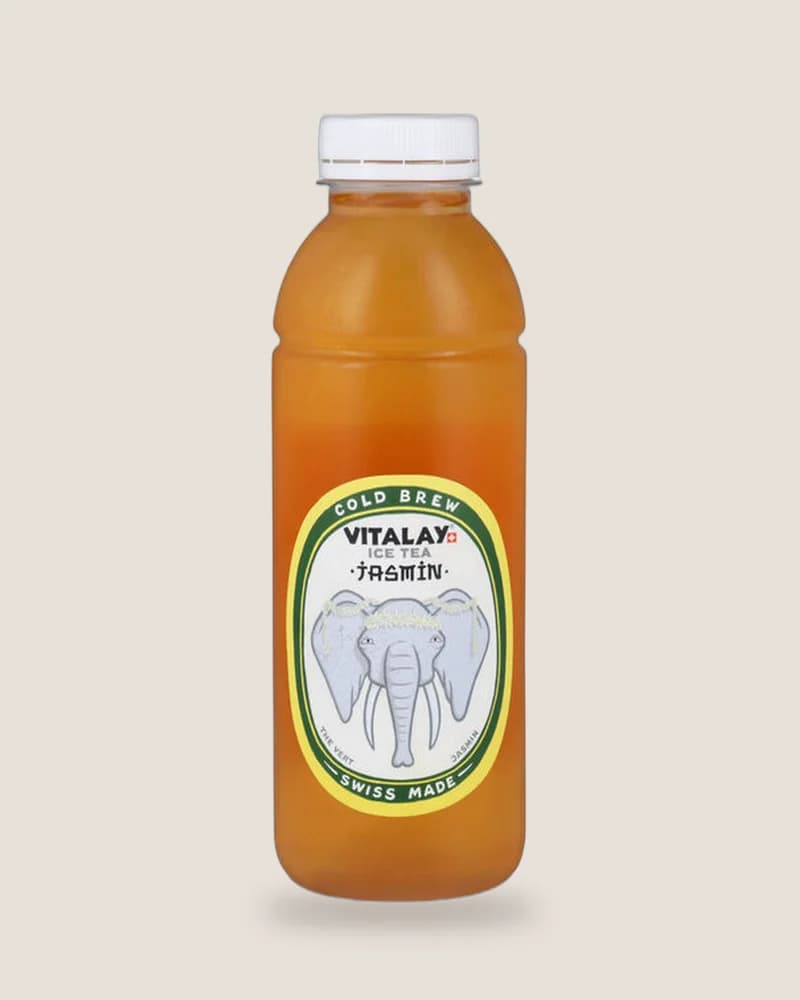
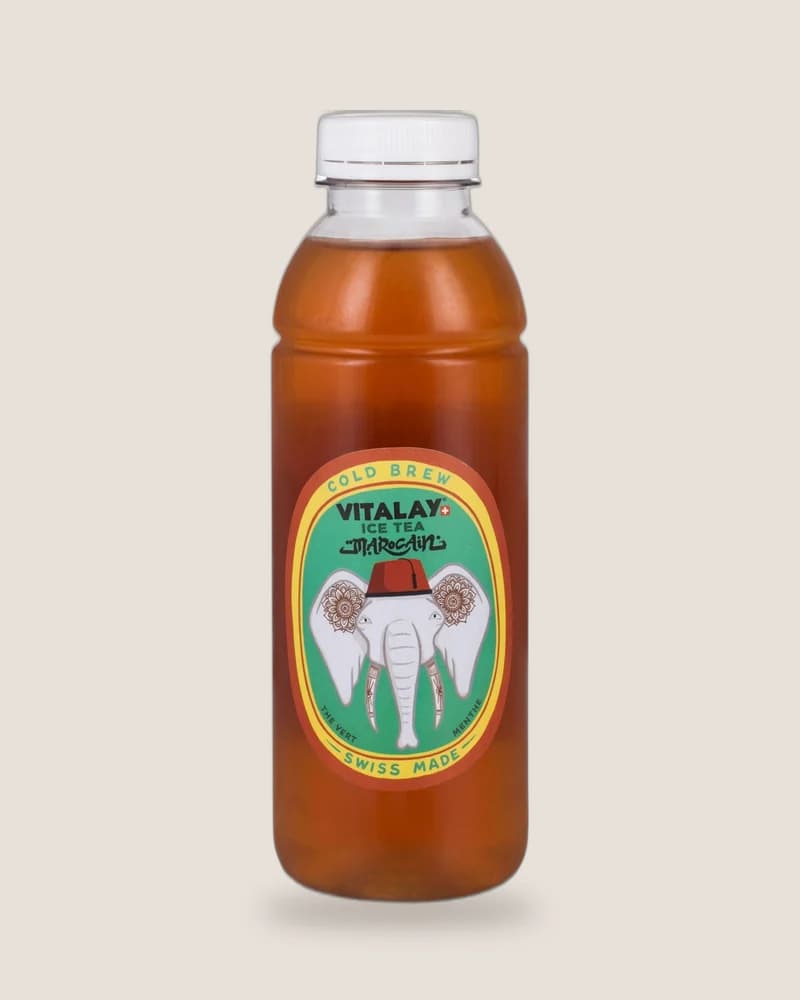
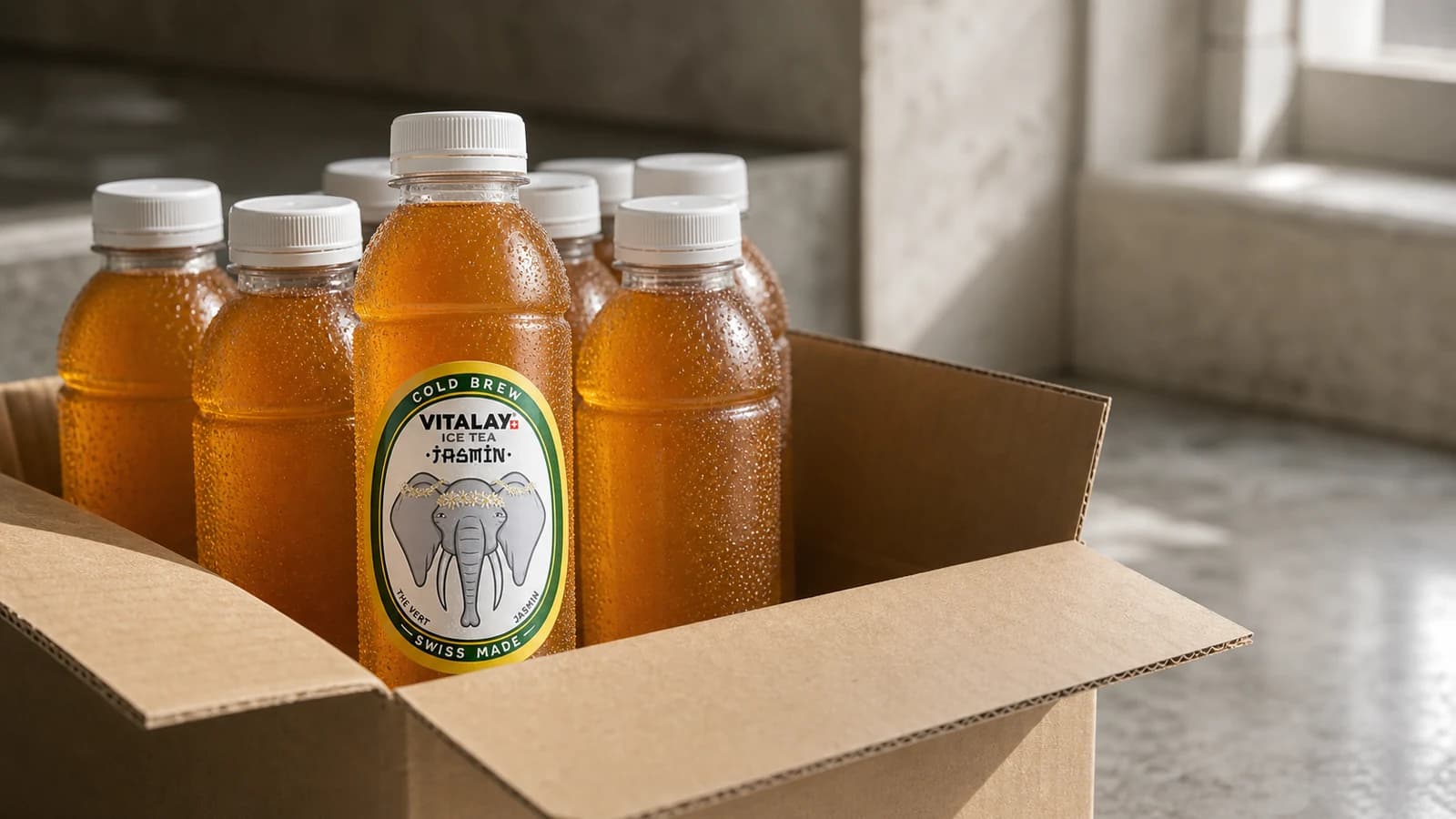
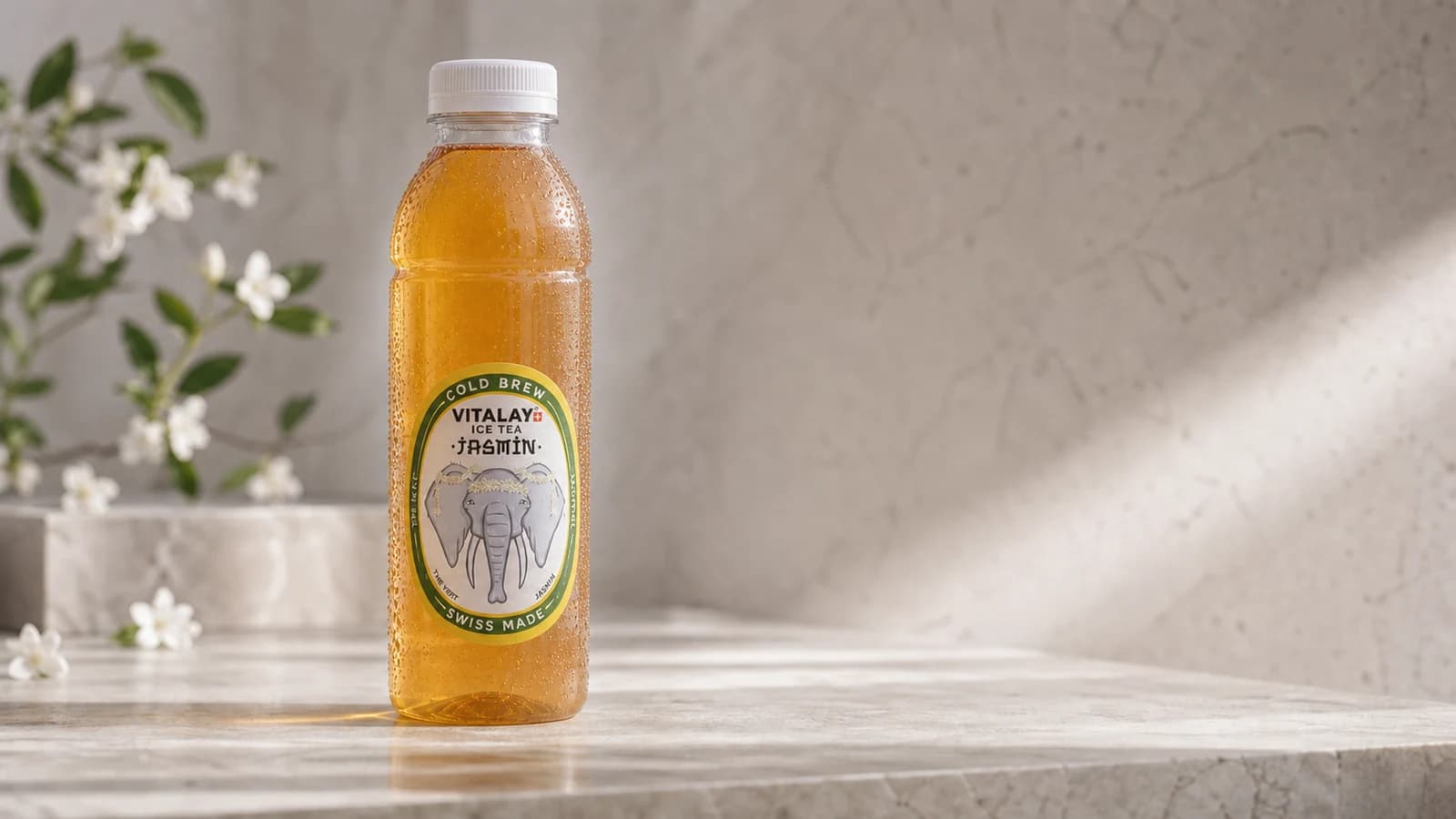
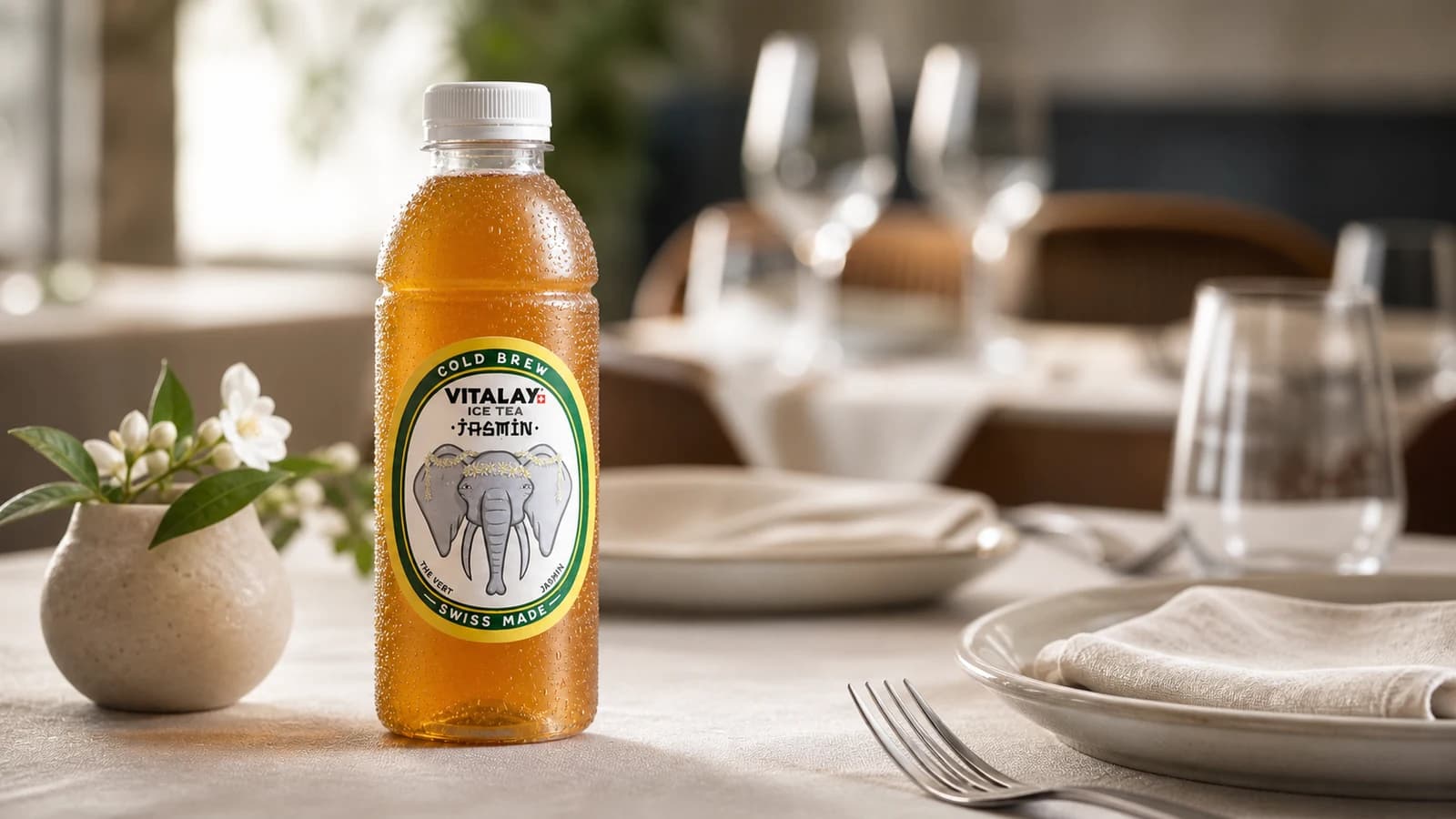
Format 1: the bottle at the table. As with wine, the bottle is presented, opened at the table and poured into a water glass or dedicated glass. This highlights the product: the guest sees what they are drinking, the label is visible, and a conversation about the producer can begin. It is the format best suited to Jasmine Iced Tea or Moroccan Iced Tea paired with a meal.
Format 2: the house carafe. For larger tables, serving in a carafe containing two bottles makes service smoother. This reduces product visibility but improves the pace of service. It requires an agreement with the supplier on how the origin is communicated, through signage or menu descriptions.
Format 3: by the glass. For bars or quick lunches, serving by the glass (one 50 cl bottle poured into two glasses) is the most practical option. Margin is calculated per bottle, and service is minimal.
Each format has a different positioning. Bottles at the table suit evening service and fine dining. Service by the glass suits a bistro or brasserie.
Building a coherent selection: four profiles to cover
A well-composed non-alcoholic drinks menu covers at least four distinct profiles. The aim is a coherent selection, not a long list of products.
Refreshing. Quality sparkling water, ideally local or regional. This is not an "alternative" non-alcoholic drink: it is the foundation. It should be there, carefully chosen.
Aromatically complex. Artisan iced tea or cold-pressed juice. Jasmine Iced Tea and Moroccan Iced Tea fill this role: a clear aromatic profile with carefully balanced sweetness, able to hold its own alongside a dish. Guests who do not drink wine have something interesting to drink, beyond water.
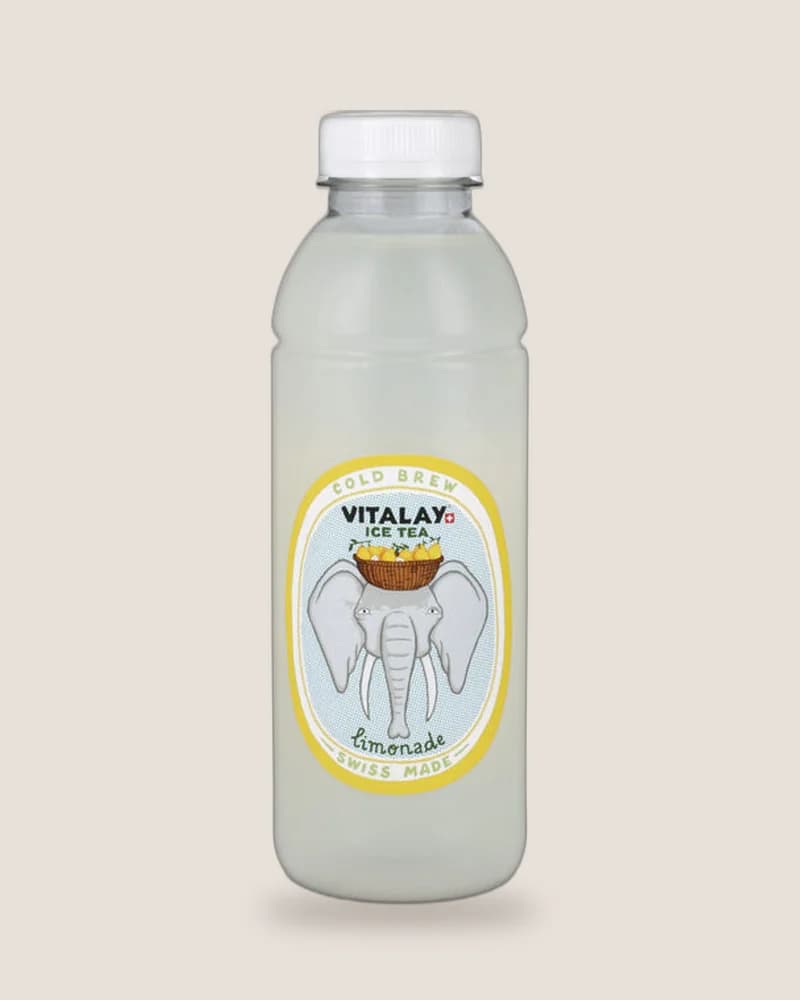
Bright and tangy. Artisan lemonade or infused water. Vitalay Still Lemonade covers this profile: still lemonade, natural lemon juice and peel, carefully measured sugar. It works well as an aperitif or alongside lightly spiced dishes.
Hot (optional). If the restaurant serves tea or herbal infusions, a quality hot tea can complete the non-alcoholic menu. It is beyond the scope of this article, but it is the fourth dimension of a complete menu.
With these four profiles, a restaurant covers most of the needs of guests who do not drink alcohol without multiplying stock or complicating service.
How to present the drinks on the menu
Do not put non-alcoholic drinks at the end of the menu. Giving the artisan non-alcoholic selection a visible place, before or just after the waters, signals that the restaurant takes it seriously. Relegating it to the final page, after desserts, says the opposite.
Describe the products. "Artisan iced tea · Jasmine · Vitalay, Switzerland · 50 cl · CHF 7" is more appealing than "iced tea · 50 cl". The description identifies the origin, justifies the price and opens a conversation.
Train the staff. If a server cannot explain cold brew or cold-pressed juice, the sale does not happen. Two sentences are enough: "Cold-brewed for twelve hours and stabilised without heat. It tastes less sweet than an industrial iced tea." The guest understands and decides.
Be confident about the price. Artisan iced tea produced in Switzerland, cold-brewed and stabilised with HPP, costs more to make than canned iced tea. The restaurant should stand behind its margin and justify it through product quality. A price that is too low signals uncertainty about the value of what is being offered.
What this means for customer satisfaction
Demand for quality non-alcoholic alternatives is growing in European restaurants. Several trends converge: the rise of the sober curious movement (drinking less alcohol by choice rather than necessity), growing attention to nutrition, and the variety of guests within a group.
A restaurant offering only water and Coke to a guest who does not drink alcohol sends a signal of indifference. That guest contributes to the table’s bill, and their experience matters as much as that of the guest ordering a bottle of wine.
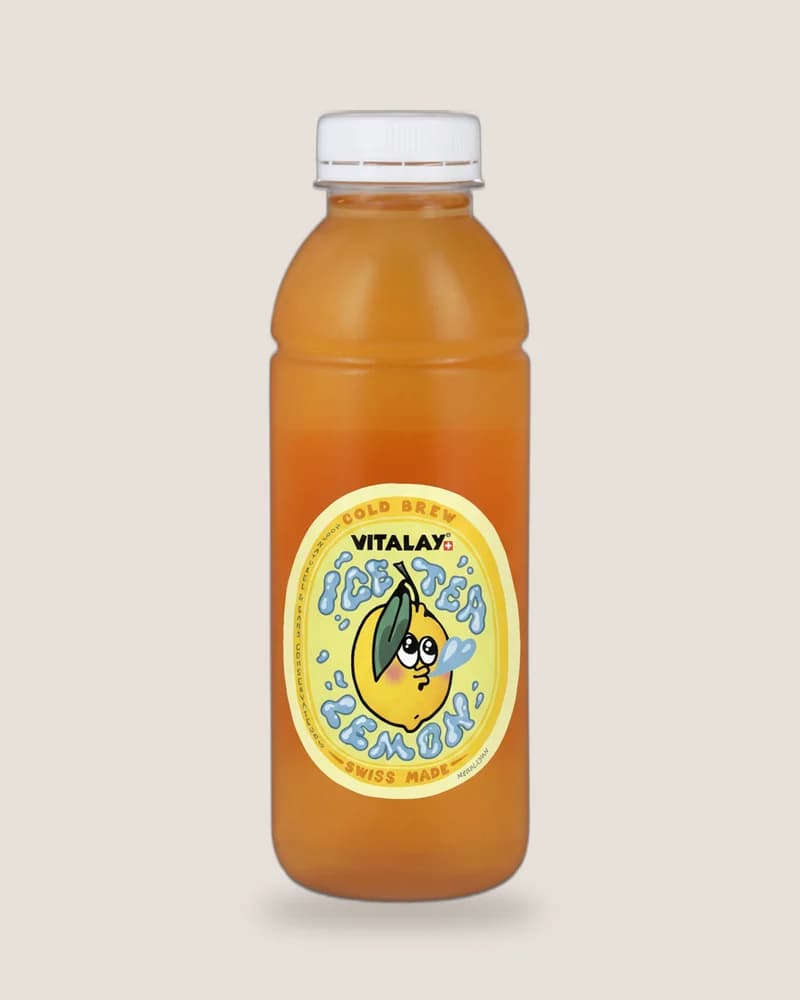
The Lemon Iced Tea ordered by the driver, the Still Lemonade chosen as an aperitif by a pregnant woman, the Jasmine Iced Tea enjoyed throughout the meal by a vegetarian guest who does not drink alcohol: these are real sales, contributing to average spend and the whole table’s satisfaction.
Logistics: what it means in practice
For restaurants sourcing drinks directly or from artisan producers, these are the operational points to anticipate:
Refrigerated stock. Iced teas and pressed juices require a cold chain. Allow space in the cold room or service refrigerator.
Stock rotation. Order regularly and hold measured quantities. HPP products have a refrigerated shelf life of several weeks, but not indefinitely: rotate stock.
Minimum order. Vitalay’s B2B minimum is one case per product (16 bottles). For a restaurant testing a product, this is a reasonable commitment.
Product information. We provide a product sheet for each item, suitable for staff training or menu documentation.
Our dedicated professional page details all available case formats, B2B prices and delivery terms in French-speaking Switzerland.
A note on food pairings
Pairing artisan non-alcoholic drinks with restaurant dishes deserves its own article, which we have published separately: Food and iced tea pairings: a practical guide for restaurant menus. For restaurants wanting to offer paired drinks service, it is the natural next step.
Further reading
- Vitalay Swiss artisan iced tea: a full introduction to the range and production method
- Jasmine Iced Tea: a floral profile for fine dining pairings
- Moroccan Iced Tea: a green, refreshing profile
- Lemon Iced Tea: a citrus profile, approachable and robust
- Still Lemonade: still lemonade with real lemon and carefully measured sugar
- Vitalay professional offer: case formats, B2B prices, delivery in French-speaking Switzerland
At a glance
Frequently asked questions
- Which non-alcoholic drinks belong on a restaurant menu?
- A considered non-alcoholic drinks menu should cover several profiles: a refreshing option (quality sparkling water), an aromatically complex option (artisan iced tea, cold-pressed juice), a bright, tangy option (artisan lemonade, house-infused water) and ideally an option paired with the food. Sophistication comes from selection, not from multiplying the choices.
- How should a restaurant price an artisan non-alcoholic drink?
- Bottled artisan non-alcoholic drinks (iced teas, pressed juices) are generally sold by the bottle or carafe, with a margin comparable to wine by the glass. Average spend is lower than for wine, but turnover can be higher, particularly at lunchtime or for groups with guests who do not drink alcohol. Pricing should be confident and justified by product quality.
- Can artisan iced tea replace a wine pairing at the table?
- Not strictly speaking: their roles are not identical. But artisan iced tea can provide a considered drinks pairing for guests who do not drink alcohol, offering aromatic complexity, compatibility with food and service by the bottle or glass. It is a worthy alternative to a carafe of water or apple juice for someone who does not drink wine.
- Is there real demand for quality non-alcoholic drinks in Swiss restaurants?
- Yes, and it is growing. Sobriety trends (voluntarily reducing alcohol consumption) and guests who abstain from alcohol (pregnant women, drivers, guests with religious reasons, athletes) represent a growing share of diners. A restaurateur offering only water, Coke and apple juice misses an opportunity for margins and customer satisfaction.
- How can a restaurant stock Vitalay drinks?
- We offer B2B cases of 16 bottles, with cold-chain delivery in French-speaking Switzerland. The minimum order is one case per product. Our professional page details the available products, prices and delivery terms.