Production6 min read
What is HPP and why does Vitalay use it?
HPP, or cold high pressure processing, stabilises our iced teas and pressed juices without cooking them. Here is how it works, and why we chose it.
By Ciprian
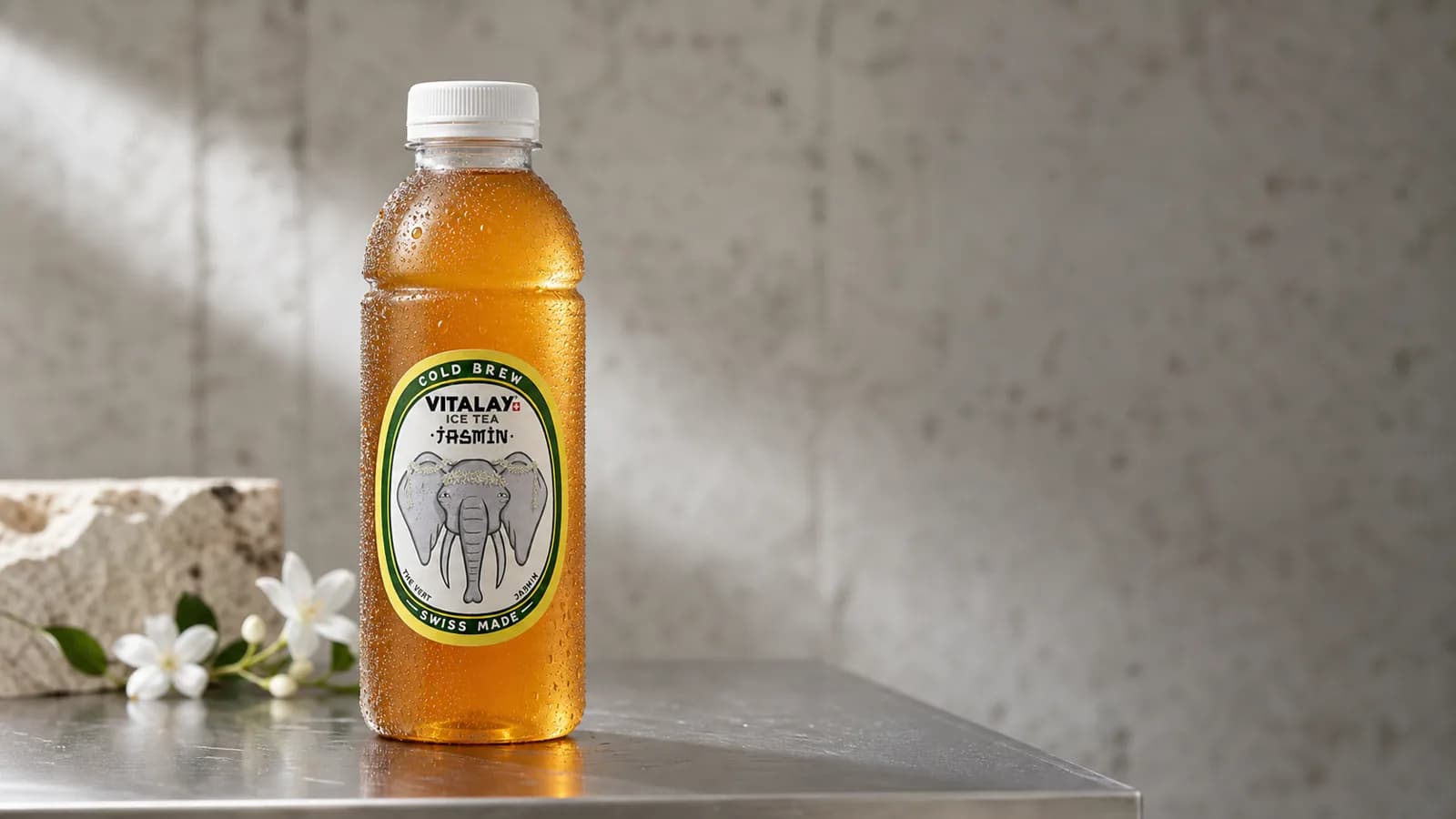
When choosing an artisan drink, you read the label. Ingredients first, then sugar, and then, if you look a little further, the preservation method. This is often where the least visible trade-offs happen. At Vitalay, we use HPP, or high pressure processing. Here is what it is, why we chose it, and what it actually changes in the bottle.
HPP at a glance
HPP is a preservation process using high pressure at a low temperature. In practice, our closed, sealed and labelled bottles are placed in a tank filled with water. The pressure rises to around 600 megapascals, nearly 6,000 times atmospheric pressure. The temperature stays low: between 4 and 8 °C throughout the cycle, which lasts a few minutes.
At this pressure, pathogenic microorganisms (E. coli, Listeria, Salmonella) are mechanically inactivated: their cell structures give way. Heat never enters the process. Volatile aromas, vitamins and the freshness of the product remain intact.
This technology has existed in the food industry since the 1990s, particularly in the United States and Japan, and has become more widespread in Europe over the past decade. Few small brands in Switzerland use it: the equipment is expensive and requires minimum volumes. We chose to use it anyway.
Why not heat pasteurisation?
The conventional way to stabilise a drink is pasteurisation: heating the liquid to 70-85 °C for a few seconds to a few minutes. It is effective, inexpensive, and used for the vast majority of supermarket iced teas and lemonades.
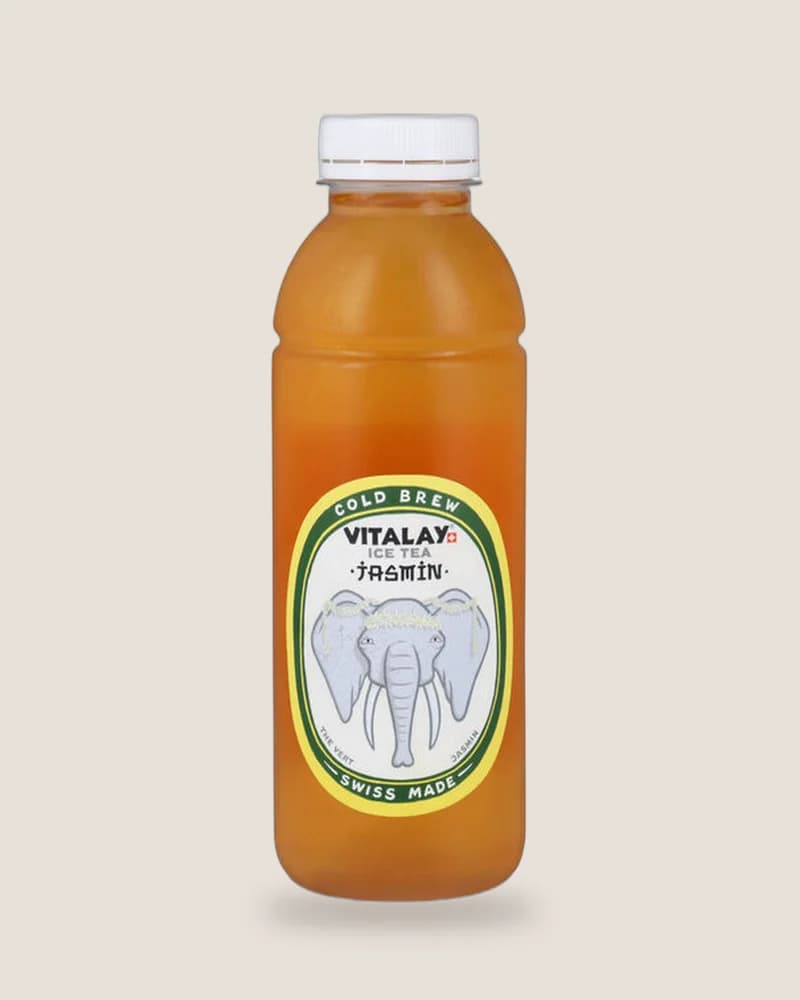
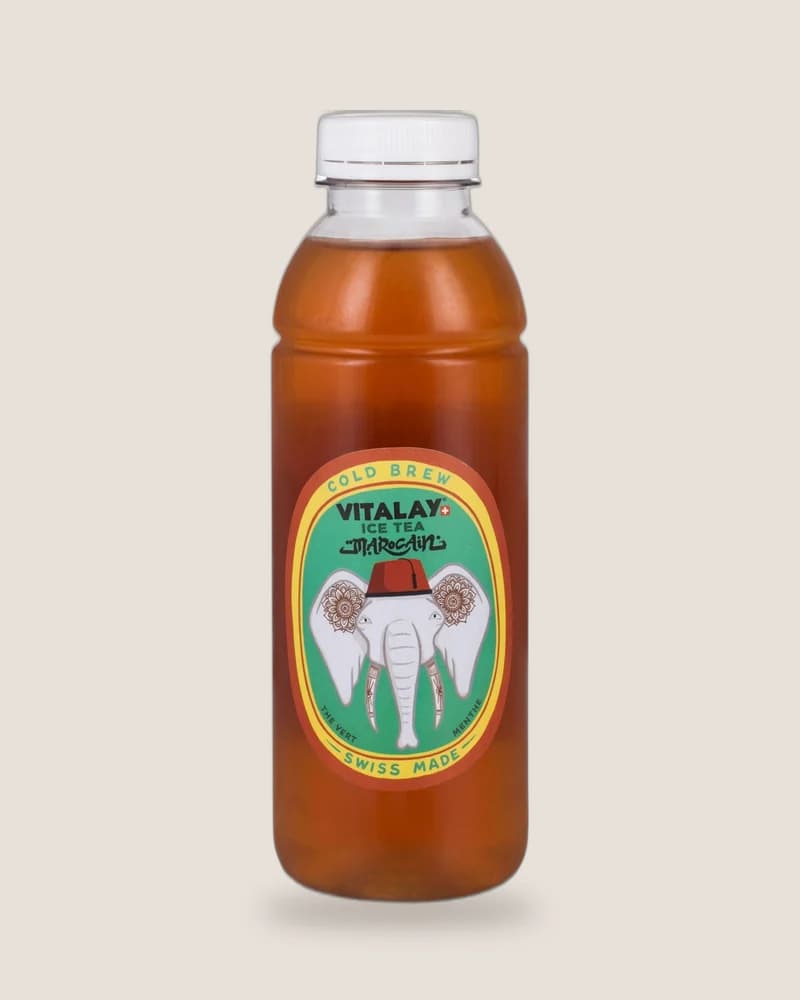
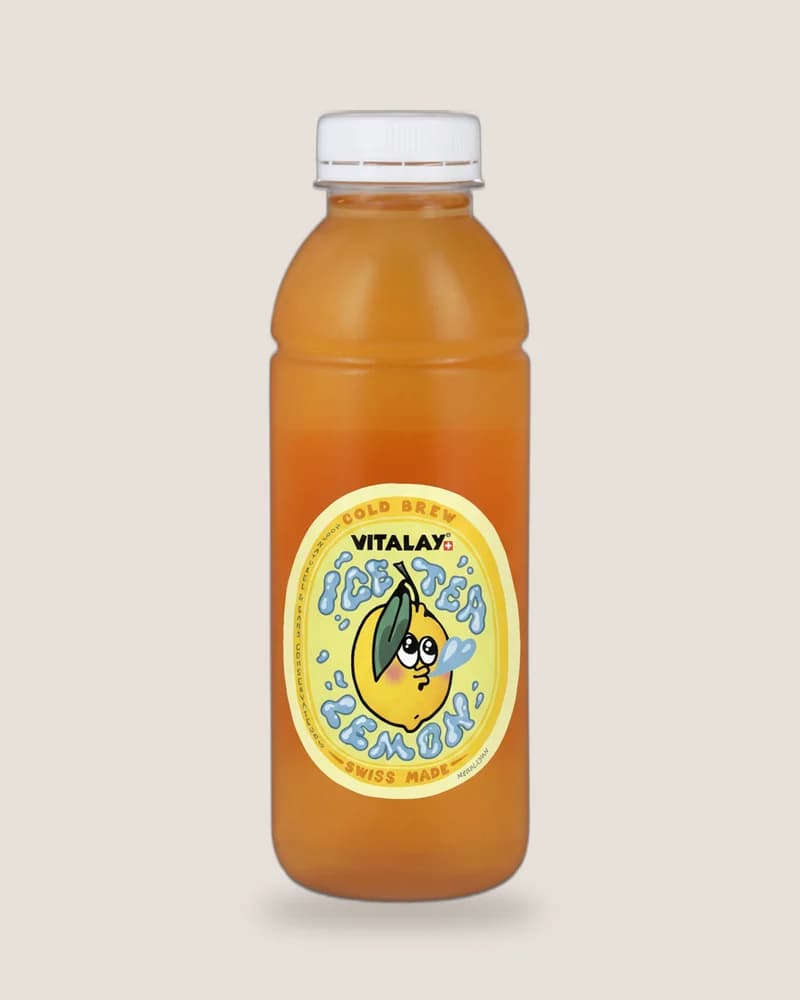
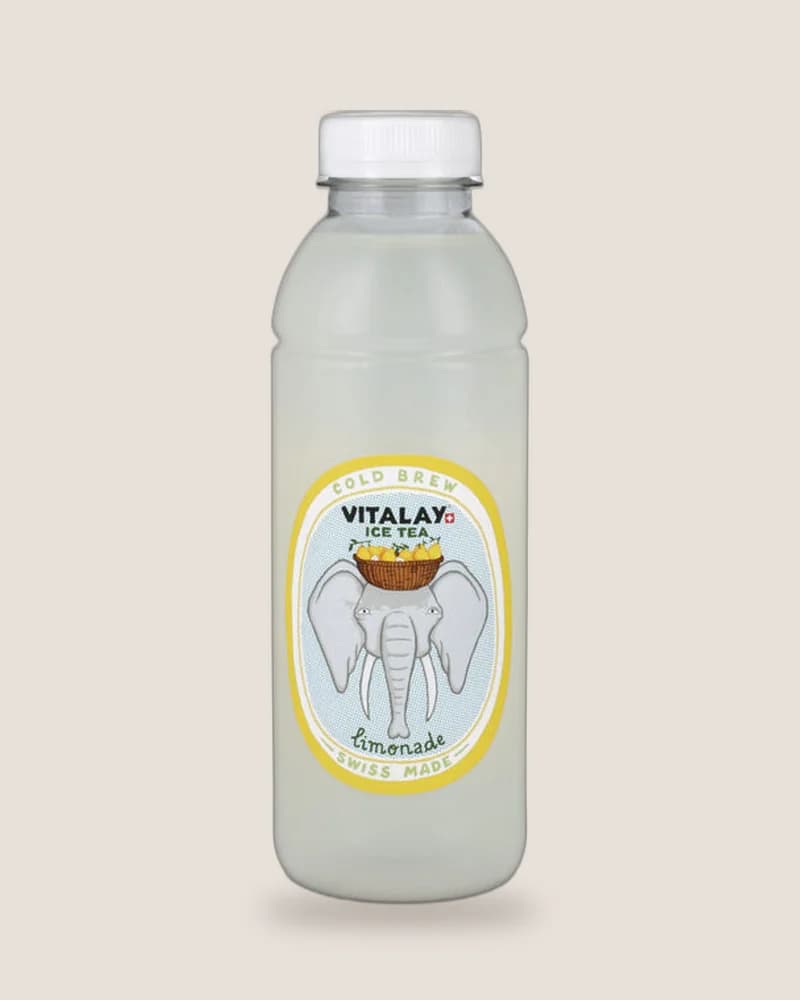
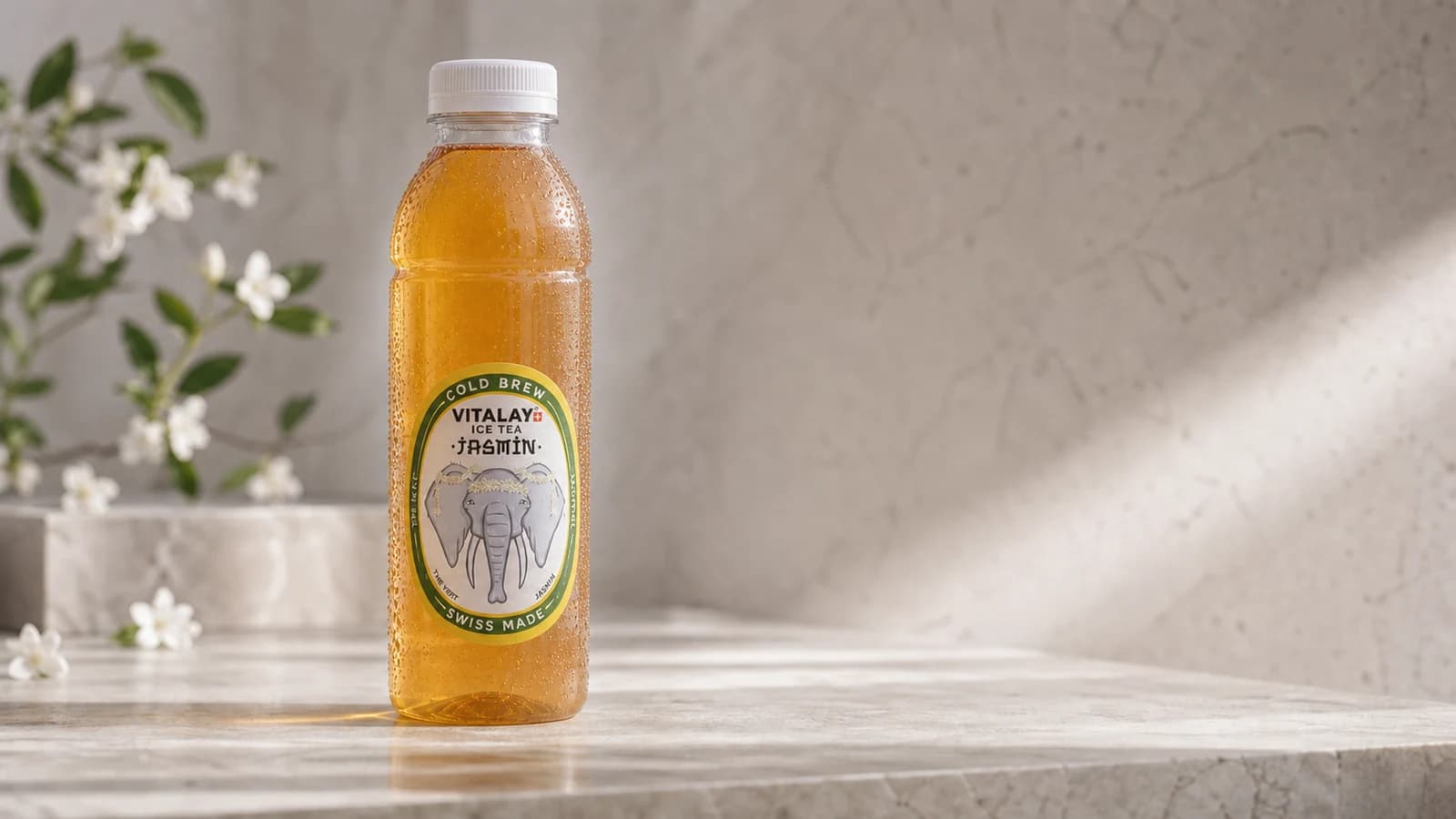
The problem for drinks like ours is that heat degrades the very qualities that make them worth drinking. A tea cold-brewed for twelve hours, then pasteurised at 80 °C, loses some of its most delicate aromatic notes: the esters and volatile compounds that give Jasmine Iced Tea its floral character, Moroccan Iced Tea its fresh mint, or Lemon Iced Tea its citrus freshness. The same applies to Still Lemonade: heat pasteurisation takes away the citrus brightness we worked to capture in the bottle.
It is simpler on an industrial scale. In terms of taste, it is a compromise we were unwilling to make.
HPP lets us keep a drink stable, safe and compliant with Swiss hygiene requirements (LDAl, OHyg), without cooking what we spent hours brewing or kilos of citrus fruit pressing.
What HPP actually preserves
Here is how the chosen stabilisation method affects what is in the bottle:
| Component | Heat pasteurisation | HPP |
|---|---|---|
| Pathogens (E. coli, Listeria) | Inactivated | Inactivated |
| Volatile aromas (floral, fruity notes) | Partly degraded | Preserved |
| Heat-sensitive vitamins (vit. C, B1) | Reduced by 20 to 50% | Almost intact |
| Sensory profile | Flattened, "cooked" | Close to fresh |
| Colour | Browning possible | Stable |
| Perceived freshness | Reduced | Maintained |
For iced tea, this means that opening a bottle brings back the profile we tasted in the workshop that very morning. For the cold-pressed juices in SUM MUM, the range created by Summum that we offer in collaboration, it allows us to bottle a juice whose vitamins and enzymes have not been destroyed by cooking.
This is also why our bottles are kept refrigerated: HPP is not sterilisation. It stabilises; it does not sterilise. The cold chain remains essential, and that is a compromise we accept: our drinks are fresh products, not long-life preserves.
The limits of HPP
It is important to be honest about what HPP cannot do.
It cannot replace good raw ingredients. If the tea is poor or the citrus fruit mediocre, HPP will not fix it. It preserves what it is given, no more and no less.
It does not allow storage at room temperature. An unrefrigerated HPP bottle will develop changes in aroma and lose freshness. All our HPP products carry a clear use-by date and require an unbroken cold chain all the way to the end consumer.
It has a cost. Industrial HPP equipment costs several million Swiss francs, and the service is charged per batch. For a small brand, this investment per bottle is reflected in the final price. We accepted it because, for us, there was no other consistent approach.
It can also affect sensory qualities. Some proteins or pectins can be slightly altered by pressure: the process is not entirely neutral. But the choice between a slight structural change and destruction through cooking is straightforward.
How it works at Vitalay
At Vitalay, HPP is the penultimate stage of our production cycle. A typical iced tea or lemonade production run looks like this:
- Cold brewing: the teas are brewed for twelve hours at a low temperature in our workshop. It takes longer than hot brewing, but gives Jasmine Iced Tea and Moroccan Iced Tea their clear profile and gentle tannins.
- Final recipe: adjusting the sugar (always carefully measured, never excessive), adding the ingredients specific to each product (pressed lemon juice for the lemonade, mint leaves for the Moroccan Mint).
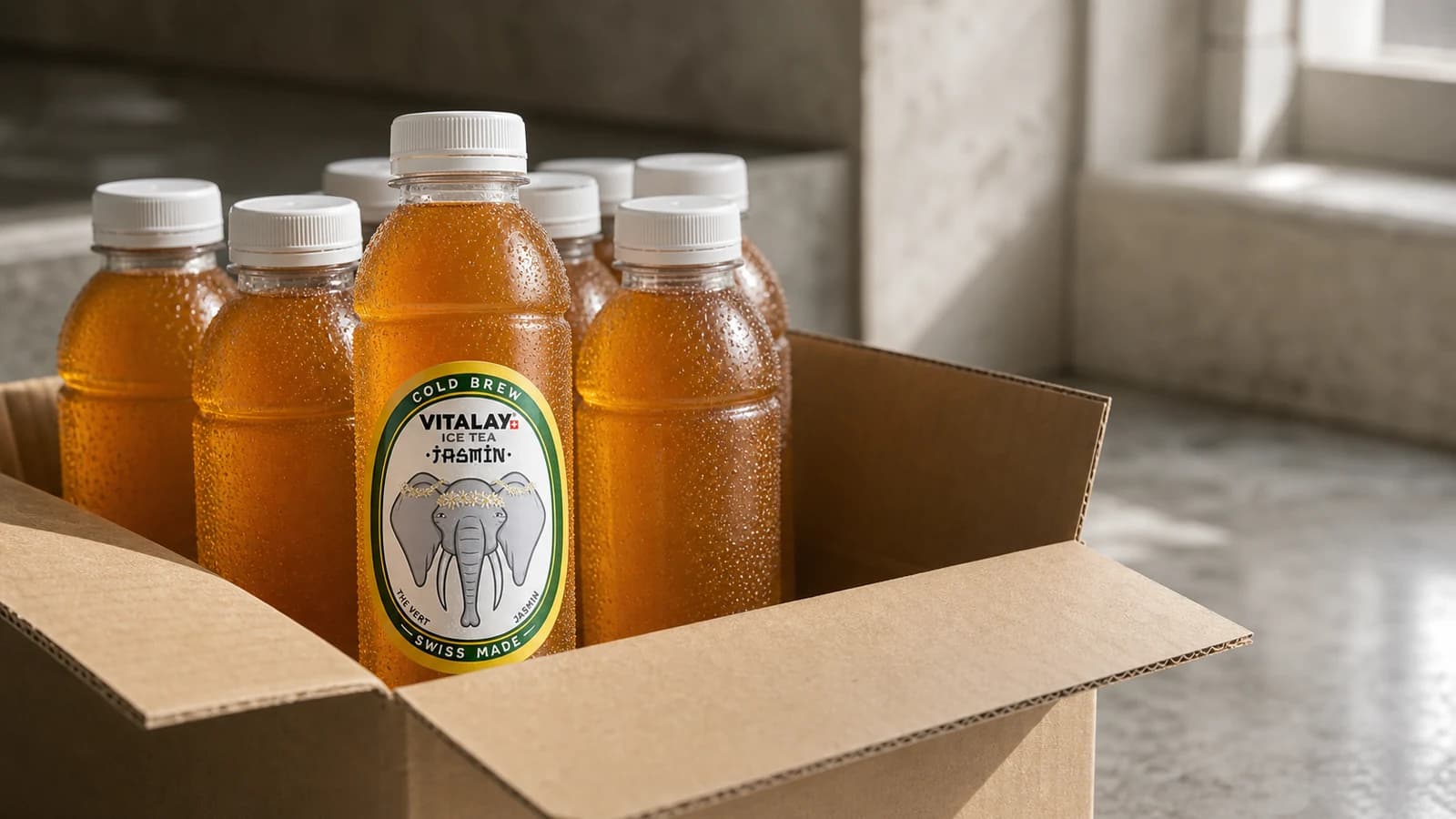
- Bottling: in sealed, labelled 0.5 L PET bottles.
- Cold-chain transport to the HPP provider.
- HPP cycle: a few minutes at 600 MPa, with water at 4-8 °C. The bottles emerge intact.
- Return to our cold room, followed by delivery to our B2C points of sale and B2B customers.
None of these stages uses heat. It is a consistent choice: we do not want to do the work twice, cold-brewing for twelve hours only to cook everything at the other end of the process.
For the cold-pressed juices in the SUM MUM range created by Summum and offered by Vitalay in collaboration, the principle is the same: cold-pressing fruit and vegetables, bottling, then HPP. No heat treatment at any stage. This explains the price and short shelf life of these products.
HPP in Switzerland
In Switzerland, HPP is used mainly by premium cold-pressed juice brands and a few producers of high-end prepared meals. For artisan iced teas and lemonades, we are among the few to use it systematically. There are several reasons for this:
- Swiss and European HPP providers impose high minimum volumes. Enough batches must be produced to make it viable.
- The cost per bottle is noticeably higher than heat pasteurisation in-house.
- The Swiss regulatory framework (LDAl, OHyg, OAddD) recognises HPP as a valid preservation process, but labelling must remain transparent about the nature of the product.
For Vitalay, this fits the rest of our approach: fewer drinks treated with greater care are preferable to mass distribution at the expense of flavour.
Further reading
If you want to taste what HPP preserves, the most telling comparison is a well-chilled Jasmine Iced Tea alongside any commercially available heat-pasteurised iced tea. Real jasmine blossom, clean tannins, no "cooked" note: these are qualities lost through heat and preserved under pressure.
And for professionals looking to put a considered non-alcoholic drink on a restaurant or bar menu, this is exactly what sets us apart from industrial products. Our B2B offer covers the rest.
At a glance
Frequently asked questions
- Does HPP change the taste of iced tea?
- Quite the opposite: HPP preserves most of the aromatic profile of a cold-brewed tea. While heat pasteurisation at 80 °C degrades the most delicate volatile notes (jasmine, fresh mint, orange blossom), cold high pressure processing keeps the bottle between 4 and 8 °C throughout the cycle. What we tasted when it left the workshop is what we find when we open it.
- Is HPP a natural process?
- HPP adds nothing to the drink. No heat, no additives, no preservatives. Simply pressure, applied to the water surrounding the sealed bottles. In that sense, it is one of the most straightforward stabilisation processes in the modern food industry.
- Why not serve fresh iced tea without HPP?
- Without stabilisation, cold-brewed tea is a delicate product: the flora naturally present in the leaves can become active again, oxidation alters the aromas, and the colour changes. HPP fixes the profile at the point when we consider it right. Without it, two bottles from the same batch could taste noticeably different a few weeks apart.
- How long does a bottle of Vitalay treated with HPP keep?
- Our drinks are kept refrigerated, with a clear use-by date on every bottle. The cold chain is essential: HPP is not heat sterilisation. We treat these drinks as fresh products, not long-life preserves.